top of page

PR, MARKETING & MEDIA DEPARTMENT
NEWSROOM DESK


Международен център за развитие на образованието и обучението търси 6 младежа за участие в младежкия обмен "Initiate your career", финансиран по програмата Еразъм+. Целта на проекта е да помогне на младите хора да увеличат възможностите си за работа чрез активното им участие в подобряването на техните лични и професионални компетенции, които да отговарят напълно на изискванията на пазара на труда.

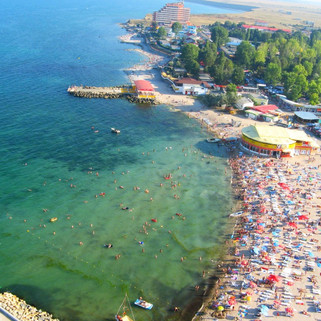
Място на провеждане: Костинещи, Румъния

Период на провеждане: 8 - 17 Юни 2018г.

Профил на участниците: 6 младежа на възраст между 18 и 24 години, придружени от лидер, предварително подготвен от МЦРОО.

Основният работен език на проекта е английски. Участниците е препоръчително да владеят езика на поне основно разговорно ниво.

В младежкия обмен ще вземат участие 36 младежи от 6 различни държави, а именно: България, Румъния, Гърция, Унгария, Чехия и Словакия.

Работната програма на проекта е предназначена към изграждане на някои специфични умения, знания и личностни качества:

- повишаване нивото на компетентност при публично говорене;

- поддържане развитието на ключови знания, способности и нагласи по отношение на присъединяването към пазара на труда;

- повишаване знанията, компетенциите и уменията по отношение на предприемачеството;

- развиване на междукултурни компетенции, културно съзнание и изразяване, др.

Настаняване:

Участниците ще бъдат настанени в 3* пансион Vila Dumy, намиращ се на 200 м от плажа.

Съгласно утвърдената стратегия на МЦРОО за осигуряване на равен достъп на младежи с ограничени възможности, необходимите билети за транспорт се закупуват от страна на МЦРОО, като участниците доплащат единствено евентуалното надхвърляне на покритите за съответната дестинация разходи за транспорт, съгласно Европейския дистанционен калкулатор.

С цел сигурността и безопасността при транспортирането на групата, за която МЦРОО носи пълна отговорност, включваща подсигуряване на нощувки в случай на дългосрочно анулиране на полети и др., изборът на графика и начина на пътуване се извършва от страна на МЦРОО. Всички разходи за настаняване и храна се поемат на 100% от организаторите на проекта, финансиран по програмата Еразъм+.

След своето участие в проекта, всеки един участник ще получи Европейски сертификат „Youthpass”, утвърждаващ неговото участие и придобити умения и компетенции.

Процедура за кандидатстване:

1. Попълване на апликационна форма за участие, съдържаща основни данни на кандидата, съобразени със ЗЗЛД, както и основни и специфични насочващи въпроси относно неговата мотивация за участие, в срок до 22:00ч на 05.05.2018г.

2. Всички получени кандидатури за съответни проект, биват раглеждани от Комисия по избор на участници към МЦРОО, която ще изпрати потвръждаващи одобрението на кандидата мейли в реално време. В тази връзка кандидатите носят отговорност в случай на пропускане на срока, посочен от Комисията за потвърждение на участието им в проекта.

3. Всички одобрени кандидати (които не са членове на МЦРОО), потвърдили участието си в проекта, попълват Споразумение за участие и заплащат сумата от 25 евро, като гаранция за участието си в проекта, която след добро представяне по време на активностите, както и на изпълнение на последващите заложени във всеки проект дейности, ще бъде призната като членски внос за период, съответстващ на заплатената сума. Подписването на Споразумението урежда отговорността на участниците към поетите от МЦРОО ангажименти към организаторите на съответния проект, което води и до присъединяването им към служебната група на проекта.

Критериите за избор са различни в зависимост от условията на организаторите на проекта, най-вече мотивация за участие- усъвършенстване на меките умения, формиране на гражданска позиция, както и заявено ясно желание за трупане на международен опит. Препоръчваме на всички желаещи да се запознаят с ИНФОРМАЦИЯТА относно младежките обмени и да прочетат ИНФОПАКА на проекта.

Пожелаваме успех на всички! :)

* При допълнителни въпроси можете да се свържете с нас.


The Digital Education Action Plan proposed by the European Commissionearlier this year will help improve digital skills and literacy for all.


To follow up on the Gothenburg Summit, the European Commission has today adopted new initiatives to improve key competences and digital skills of European citizens, to promote common values and pupils' awareness of the functioning of the European Union.

The new proposals come only two months after European Heads of State and Government discussed education, training and culture at the Gothenburg Summit in November 2017. They are intended to reduce socio-economic inequalities, whilst sustaining competitiveness in order to build a more united, stronger and more democratic Europe.

Jyrki Katainen, Vice-President of the Commission for Jobs, Growth, Investment and Competitiveness, said: “Today's initiatives aim at empowering individuals so that they can make the most of their lives and so that we can build fair, resilient economies and societies. We need to ensure education delivers for all, across Europe, and so that everybody can adapt to and benefit from change. This is vital for Europe's sustainable growth and competitiveness and will be even more so in the future. We are ready to support and to work together with Member States to make this happen.”

Tibor Navracsics, EU Commissioner for Education, Culture, Youth and Sport, said: "Europe's education and training systems need to give people from all backgrounds the right competences to progress and prosper professionally, but also enable them to be engaged citizens. We need to harness the potential of education to foster social cohesion and a sense of belonging. To do so, we have to build on our common values and make sure that education enables pupils to experience their European identity in all its diversity, learn more about Europe, about other European countries and about themselves."

Mariya Gabriel, EU Commissioner for The Digital Economy and Society, added: "The digital age is expanding into all areas of our lives, and it is not just those who work in IT that will need to be alert of the digital transformation. The digital skills gap is real. While already 90% of future jobsrequire some level of digital literacy, 44% of Europeans lack basic digital skills. The Digital Education Action Plan we propose today will help Europeans, educational institutions and education systems to better adapt to life and work in increasingly digital societies."

The new proposals will also feed into the first European Education Summit which Commissioner Navracsics will host in Brussels on 25 January with the theme of "Laying the foundations of the European Education Area: for an innovative, inclusive and values based education".

The three initiatives proposed by the Commission are:

1. A Council Recommendation on Key Competences for Lifelong Learning: Building on the Recommendation on Key Competences adopted in 2006, this proposal brings forward important updates reflecting the rapid evolution of teaching and learning since then. It aims to improve the development of key competences of people of all ages throughout their lives and to provide guidance to Member States on how to achieve this objective. A particular focus is placed on promoting entrepreneurial drive and innovation-oriented mindsets in order to unlock personal potential, creativity and self-initiative. Moreover, the Commission is recommending steps to foster competences in science, technology, engineering and mathematics (STEM) and motivate more young people to embark on a career in these fields. The proposals made today should also be seen as part of the answer to urgently improve European education systems to face the many challenges highlighted in the latest PISA survey. More generally, the measures will support Member States in better preparing learners for changing labour markets and for active citizenship in more diverse, mobile, digital and global societies.

2. A Digital Education Action Plan that outlines how the EU can help people, educational institutions and education systems better adapt to life and work in an age of rapid digital change by:

  • making better use of digital technology for teaching and learning;

  • developing the digital competences and skills needed for living and working in an age of digital transformation; and

  • improving education through better data analysis and foresight.

Initiatives include supporting schools with high-speed broadband connections, scaling up a new self-assessment tool for schools on the use of technology for teaching and learning (SELFIE) and a public awareness campaign on online safety, media literacy and cyber hygiene.

3. A Council Recommendation on common values, inclusive education and the European dimension of teaching: This initiative proposes ways in which education can help young people understand the importance of and adhere to common values set out in Article 2 of the Treaty of the European Union. It aims at strengthening social cohesion and contributing to fight the rise of populism, xenophobia, divisive nationalism and the spreading of fake news. The proposal also strengthens inclusive education to promote quality education for all pupils as well as the European dimension of teaching, so children also learn about Europe's common heritage and diversity and get a good understanding of the functioning of the EU. To support these aims, the Commission will take steps to increase virtual exchanges among schools, notably through the successful e-Twinning network, and boost school mobility through the Erasmus+ programme.

Background

Heads of State and Government informally discussed education and training at the Gothenburg Social Summit in November 2017, guided by the Commission's Communication 'Strengthening European Identity through Education and Culture'. This resulted in the European Council conclusions of 14 December 2017 calling on Member States, the Council and the Commission to take forward the agenda discussed in Gothenburg. The review of the 2006 Council Recommendation on Key Competences for Lifelong Learning was announced in the New Skills Agenda for Europe adopted in June 2016. To prepare its proposal, the Commission held a public consultation and a stakeholder conference in 2017.

The proposed Council Recommendation on promoting common values, inclusive education, and the European dimension of teaching builds on the Paris Declaration on promoting citizenship and the common values of freedom, tolerance and non-discrimination through educationadopted at the informal meeting of Education Ministers on 17 March 2015. It was announced in the Commission's Communication on Supporting the prevention of radicalisation leading to violent extremism of 14 June 2016. To guide its proposal, the Commission held a public consultation in 2017.


През първия ден на двамата ни доброволци по ЕДС, Джейда и Хусеин, направихме разходка из София, показвайки на двамата институциите и културните и религиозни символи на България. Също така им направихме няколко въвеждащи презентации, а най-впечатляващо за тях бе посещението им на публичната дискусия с Антонио Таяни, председател на Европейския парламент, и лидерите на парламентарните групи, където повече от 600 млади учащи си задаваха въпросите, относно работа, образование, сигурност и свободи.

bottom of page